The Last of the Mohicans
The Last of the Mohicans
James Fenimore Cooper is writing at the beginning of the Romantic period. He is the first American to successfully make a living out of writing novels.
Why is he important?
- He created the Western genre
- Inspired most later American authors
- Used a distinctly American style (did not copy European styles)
The Siege at Fort William Henry - We will do this activity in class on the second day of viewing. If you are absent, you may print it out and try to complete it at home.
The Last of the Mohicans, Myth and Erasure - We will complete the questions in class after viewing. Question sheet will be handed out in class.
Note sheet - you will be able to use this sheet and this sheet only on the test. Anything you write on it is fair game. At home? Print it out. Otherwise just get a hard copy of it from Mr. Alford. You should also think to write what archetypes you notice.
Missed a day or wish to up date your notes? Here is a movie plot summary.
Know charcter complexity and be able to give specific examples - a character is this, but is also that. An example from Star Wars: The Empire Strikes Back would be that Darth Vader is unforgiving (he chokes two of his officers for failing to achieve their mission to capture the rebels), but he also forgives family (he could easily kill Luke on the catwalk fight in Cloud City, but since Luke is his son, he is trying to get Luke to join him instead going so far as to say he would betray his master if Luke joined him).
Also pay attention to (these are listed in order of how they appear in the movie - don't read ahead here to avoid spoilers):
The Journey to Fort William Henry
"I thought British policy is to make the world England."
What do the colonist request in exchange for serving in the militia?
What literary term is this: "Magua understands English very well." You can understand it by watching the first minute of the movie clip below:
At Fort William Henry
Who is the Gray Hair?
Think about what attracts Cora to Hawkeye. Why does this attract her?
Why does Duncan lie?
What is 'sedition'?
Watch the surrender scene below and make sure you know the terms of surrender.
This is very close to the real-life surrender scene. There is an exception that we will discuss later.
Magua gives his motivation in the clip below and there is an interesting exchange between Magua and the Marquis.
From this clip, you should consider:
- What motivates Magua?
- In the book, Magua brought his destruction upon himself for drinking too much. He blames Monro for introducing him to alcohol. Why do you think the director made that change?
- At the end of the conversation, the Marquis gives Magua a look. What does that look mean?
Fleeing Fort William Henry
Here is the ambush scene. In the real-life event, the British were not allowed to keep their weapons upon surrender. Why does the director make the choice to change that? Think about what the director wants to achieve. Also look for nature vs technology archetype in the way they fight.
How does Alice serve as a foil to Cora? A foil is a character that serves to contrast another (an example would be how Draco serves as a foil to Harry - they are similar enough, but their differences show how Harry is the better character morally and in other ways).
What scene foreshadows Alice's final scene?
Why are the girls and Duncan abandoned?
What is the original decision of who goes free, who is burned, and who is to go with Magua?
How does that change?
What is Duncan's redemptive arc?
Why shoot Duncan?
Know the fate of each character.
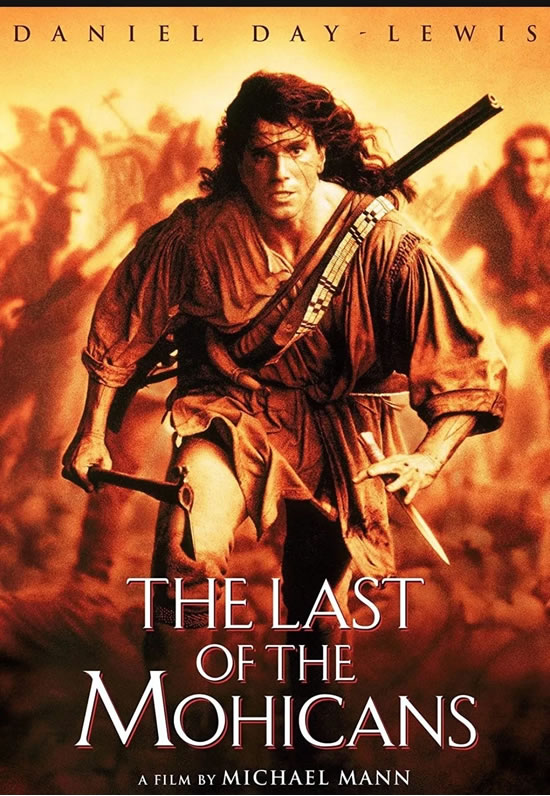
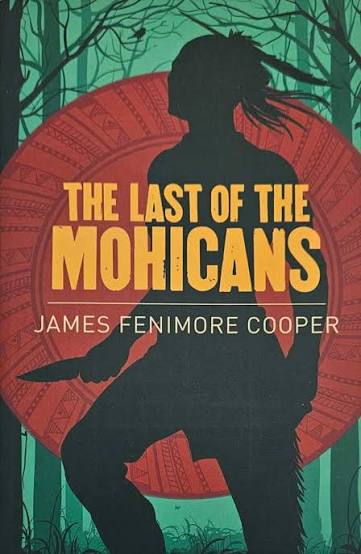
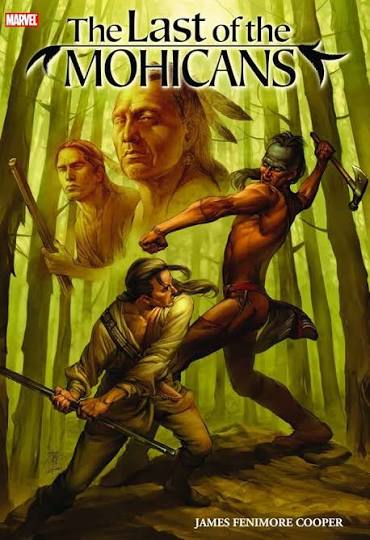
This book is the second of five books in the Natty Bumppo series (called the Leatherstocking Tales). Here are the others:
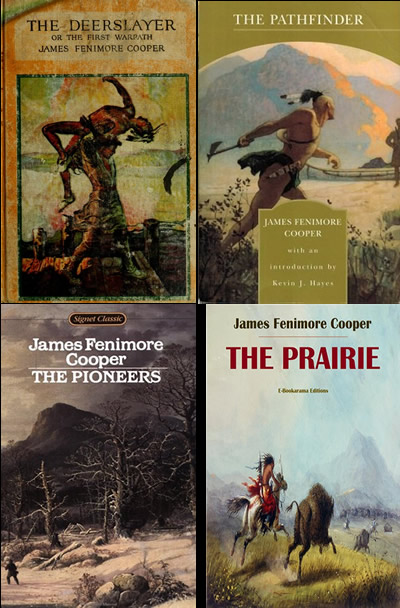
Other tidbits:
- Marvel's hero Hawkeye is named after Natty Bumppo
- University of Iowa's mascot is named after Natty Bumppo